
Sustainable Design and Planning: Meeting UK Building Regulations
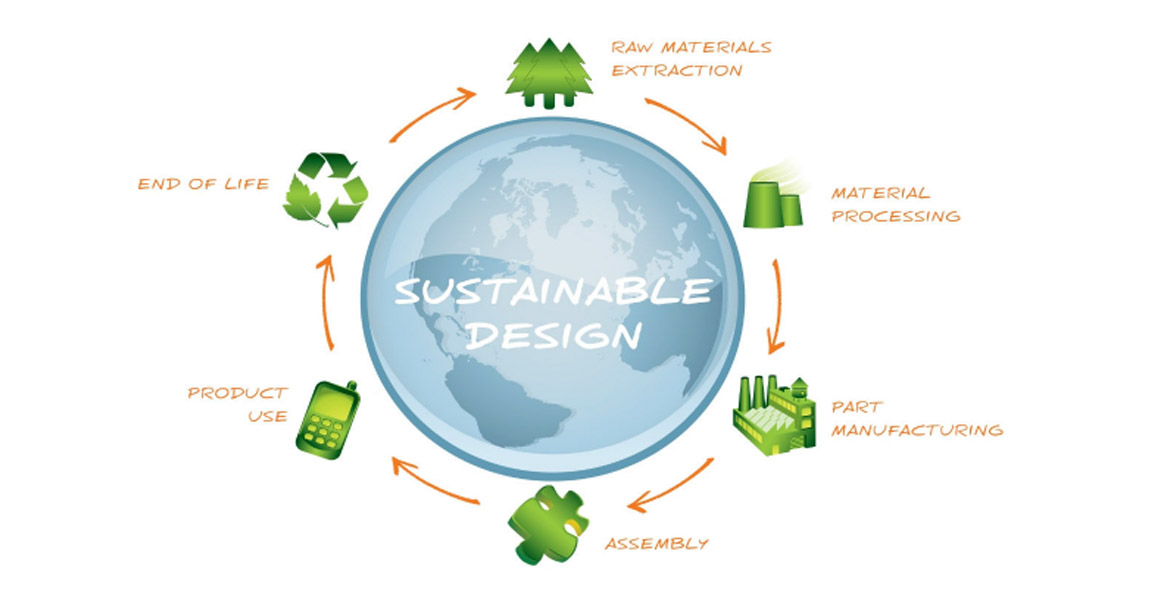
Sustainable design and planning refer to the process of creating buildings and spaces that minimize environmental impact, enhance energy efficiency, and promote the well-being of occupants. This approach considers the entire lifecycle of a building—from material sourcing and construction to operation and eventual demolition or reuse. Key principles include:
- Energy Efficiency : Reducing energy consumption through smart design,
insulation, and renewable energy sources. - Resource Conservation : Using sustainable materials, minimizing waste, and
incorporating water-saving technologies. - Environmental Harmony : Designing buildings that blend with their surroundings, protect biodiversity, and reduce carbon footprints.
- Health and Well-being : Ensuring indoor air quality, natural lighting, and
thermal comfort for occupants.
The UK government has been progressively tightening building regulations to align with its ambitious climate goals, including achieving net-zero carbon emissions by 2050. Key regulations and standards that influence sustainable design include:
- Part L (Conservation of Fuel and Power): This regulation focuses on energy efficiency, requiring new buildings to meet specific performance standards. Recent updates in 2022 introduced stricter requirements for carbon emissions and insulation.
- Part F (Ventilation): Proper ventilation is crucial for indoor air quality and energy efficiency. Part F ensures that buildings are designed to provide adequate airflow while minimizing heat loss.
- Part O (Overheating): Introduced in 2022, this regulation addresses the risk of overheating in residential buildings, encouraging designs that mitigate excessive heat through shading, ventilation, and thermal mass.
- The Future Homes Standard: Set to take effect in 2025, this standard aims to ensure that new homes produce 75-80% less carbon emissions than those built under current regulations. It emphasizes the use of low-carbon heating systems and high levels of insulation.
- BREEAM (Building Research Establishment Environmental Assessment Method): While not a regulation, BREEAM is a widely recognized sustainability assessment method that many developers strive to meet to demonstrate their commitment to sustainable design.
- Incorporate Renewable Energy Sources: Solar panels, heat pumps, and wind
turbines can significantly reduce a building’s reliance on fossil fuels. Integrating these technologies during the design phase ensures compliance with Part L and future-proofs the building against upcoming regulations. - Optimize Insulation and Glazing: High-performance insulation and double or triple-glazed windows reduce heat loss, lowering energy consumption and meeting Part L requirements.
- Design for Natural Ventilation and Lighting: Strategically placed windows, skylights, and ventilation systems can reduce the need for artificial lighting and mechanical cooling, aligning with Part F and Part O.
- Use Sustainable Materials: Choose materials with low embodied carbon, such as recycled steel, timber from sustainable sources, and low-carbon concrete. This not only reduces environmental impact but also supports circular economy principles.
- Implement Water-Efficient Systems: Rainwater harvesting, greywater recycling, and low-flow fixtures help conserve water, a critical resource.
- Plan for Biodiversity: Green roofs, living walls, and landscaped gardens can enhance biodiversity while improving air quality and reducing urban heat island effects.
- Engage with Local Authorities Early: Collaboration with planning authorities ensures that designs comply with local sustainability policies and building regulations from the outset.
Beyond regulatory compliance, sustainable design offers numerous benefits:
- Cost Savings: Energy-efficient buildings reduce utility bills, and sustainable materials can lower long-term maintenance costs.
- Enhanced Market Value: Properties with high sustainability credentials are increasingly attractive to buyers and tenants.
- Improved Occupant Health: Better air quality, natural lighting, and thermal comfort contribute to the well-being of building users.
- Positive Environmental Impact: Reduced carbon emissions and resource consumption help combat climate change and preserve natural ecosystems.
Sustainable design and planning are no longer optional—they are imperative for meeting UK building regulations and addressing the urgent need for environmental stewardship. By embracing energy efficiency, resource conservation, and innovative technologies, architects and developers can create buildings that not only comply with the law but also set new standards for sustainability. As the UK continues to push toward a greener future, those who prioritize sustainable practices will lead the way in shaping a resilient and thriving built environment.
Whether you’re designing a new home, retrofitting an existing building, or planning a large-scale development, integrating sustainability into your project is a win-win for the planet, your clients, and future generations. Let’s build a better future, one sustainable design at a time.