
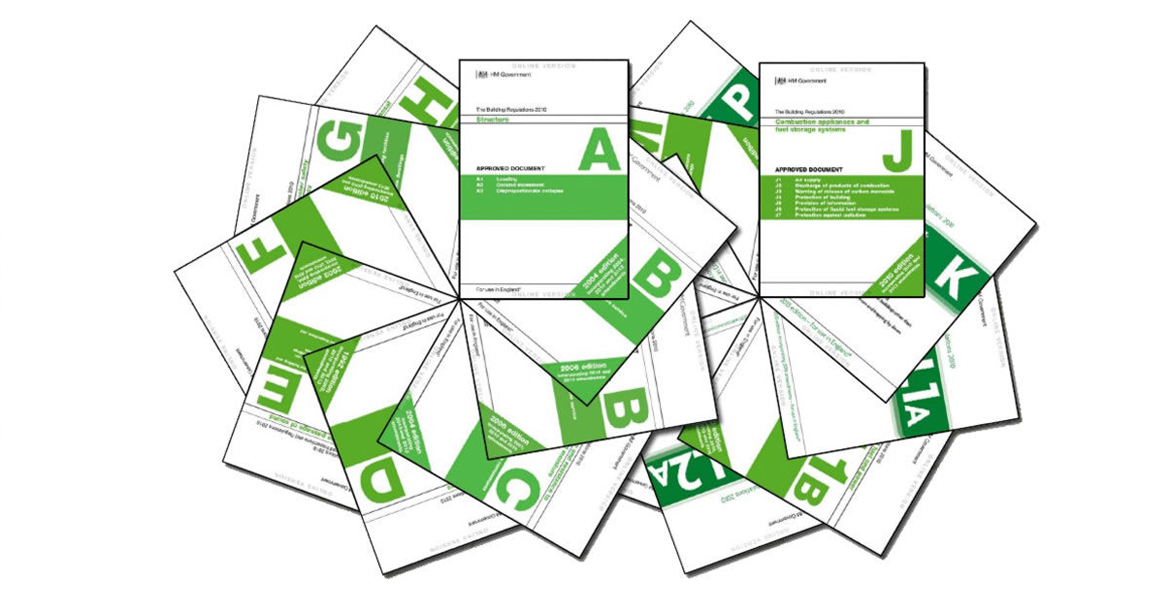
Navigating Building Regulations in the UK: A Comprehensive Guide
Building regulations are a set of statutory standards that apply to most construction projects in the UK. They cover everything from structural integrity and fire safety to energy efficiency and accessibility. These regulations are designed to ensure that buildings are safe, healthy, and sustainable for occupants and the wider community.
While planning permission focuses on the aesthetics and use of a building, building regulations are all about the technical and safety aspects. Even if your project doesn’t require planning permission, it will almost always need to comply with building regulations.
Building regulations apply to a wide range of projects, including:
- New builds (e.g., houses, offices, or commercial properties)
- Extensions or loft conversions
- Structural alterations (e.g., removing load-bearing walls)
- Installing new services (e.g., plumbing, heating, or electrical systems)
- Renovations that affect thermal performance or fire safety
- Changes of use (e.g., converting an office into a residential property)
If you’re unsure whether your project falls under building regulations, it’s always best to consult your local authority or a qualified professional.
The UK building regulations are divided into several parts, each addressing a specific aspect of construction. Here are some of the most important areas:
Ensures that buildings are structurally sound and can withstand loads, vibrations, and other forces.
Covers fire prevention, escape routes, and the use of fire-resistant materials.
Focuses on damp-proofing, drainage, and protecting buildings from ground contaminants.
Sets standards for energy efficiency, insulation, and heating systems.
Ensures that electrical installations are safe and comply with standards.
Requires buildings to be accessible to all, including people with disabilities.
Addresses soundproofing between walls and floors in residential buildings.
These are just a few examples, and there are many more regulations to consider depending on the nature of your project.
To comply with building regulations, you’ll need to obtain approval from your local authority or an approved inspector. There are two main routes to achieving this:
This involves submitting detailed plans and specifications for your project. The local authority will review the plans and, if they meet the regulations, issue a approval notice. This route provides greater certainty before work begins.
This is a quicker process that doesn’t require detailed plans upfront. However, it carries more risk, as compliance is assessed during and after construction. This route is often used for smaller projects.
Once your project is approved, inspections will be carried out at key stages of the build to ensure
compliance. After the final inspection, you’ll receive a completion certificate, which is essential for
proving that your project meets regulations.
Familiarize yourself with the specific regulations that apply to your project. The UK government’s Planning Portal is an excellent resource for guidance.
Architectural designers, structural engineers, and builders with experience in UK building regulations can save you time, money, and stress. They’ll ensure your project is designed and constructed to meet all necessary standards.
Building regulations can impact your design, budget, and timeline. Factor them into your planning from the outset to avoid costly changes later.
Building control officers are there to help. Don’t hesitate to ask questions or seek clarification on any aspect of the regulations.
Maintain detailed records of your plans, approvals, inspections, and completion certificates. These documents will be invaluable if you decide to sell your property in the future.
Even minor works like replacing windows or installing a new bathroom may require compliance with building regulations.
Part L regulations are becoming increasingly stringent, so ensure your project meets the latest standards for insulation and heating.
Part M regulations ensure buildings are inclusive. Neglecting these requirements could limit the usability of your property.
Failing to notify building control at key stages can result in enforcement action or difficulties selling your property.
The UK is committed to achieving net-zero carbon emissions by 2050, and this is driving significant changes in building regulations. Recent updates, such as the introduction of stricter energy efficiency standards, reflect this shift. As a result, sustainability is becoming a key consideration for all construction projects.
Navigating building regulations in the UK may seem overwhelming, but with the right knowledge and support, it’s entirely manageable. By understanding the rules, working with experienced professionals, and planning carefully, you can ensure your project is safe, compliant, and successful.
Remember, building regulations aren’t just red tape—they’re there to protect you, your property, and the wider community. Embrace them as a vital part of your construction journey, and you’ll
be well on your way to creating a building that stands the test of time.
If you’re planning a project and need advice on building regulations, don’t hesitate to reach out to your local authority or a qualified expert. Happy building!